
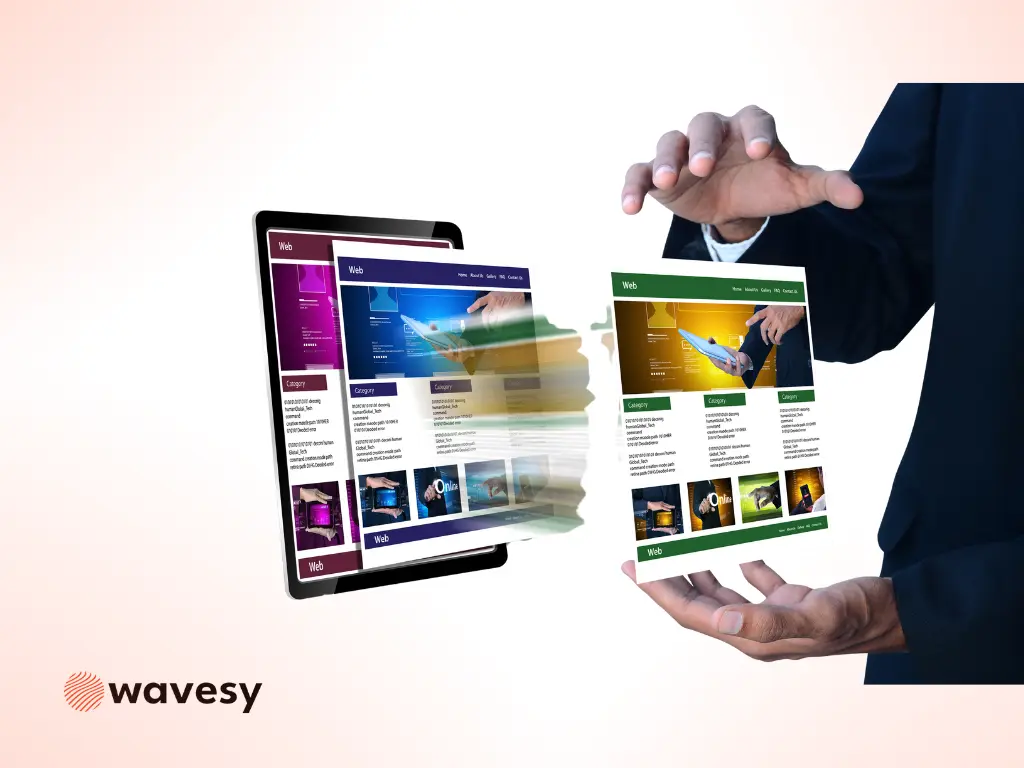
Homepage design isn’t about looking pretty. It’s about directing visitors toward a specific outcome fast and without friction. Our team has tested dozens of homepages this year, and the fundamentals haven’t changed much…Clarity, intent, trust, and a laser-focused path win every time.
Below are seven practical, student-tested (and client-tested) principles that consistently move the needle.
1. Lead With One Clear Call to Action
The hero section should have one dominant, assertive call to action (CTA). If you present four or five options—Contact, Learn More, Free Trial, Book a Call, Get Started—visitors stall. Too many choices create confusion and confusion kills conversion.
A strong homepage distills the first question a user asks: “What am I supposed to do here?” The best hero CTAs answer it immediately with a single next step. Think Book a Call or Start a Free Trial, depending on your business model. The goal is not subtlety—it’s direction.
2. Make Buttons Assertive, Not Passive
Passive CTAs like “Read More,” “Learn More,” or generic “Contact Us” don’t tell people what comes next. Instead, your homepage should use assertive language that indicates the benefit or expectation: Speak With an Expert, Get a Free Consult, or Request a Quote. These work because they frame intent and prime trust.
If a user clicks a button labeled Speak With an Expert, they already understand they’ll be connected with someone who knows their craft. That sets momentum before they ever hit the next page.
3. Use a Results-First Heading
Your H1 should position their success, not your résumé. It’s easy to write hero copy like: “Hi, I’m [Name], I teach web design and build sites.” That makes you the star. The hero should make them the star (cognitive bias).
Flip the script. Instead of telling people how long you’ve been designing or what you sell first, speak to the result they desire. Examples:
- “Fill your calendar with online bookings”
- “Build the business—and the lifestyle—you want”
- “Handcrafted websites built for women-owned brands”
The pattern is the same: identify the problem or desired result and put it front and center.
4. Surface the Human Behind the Brand
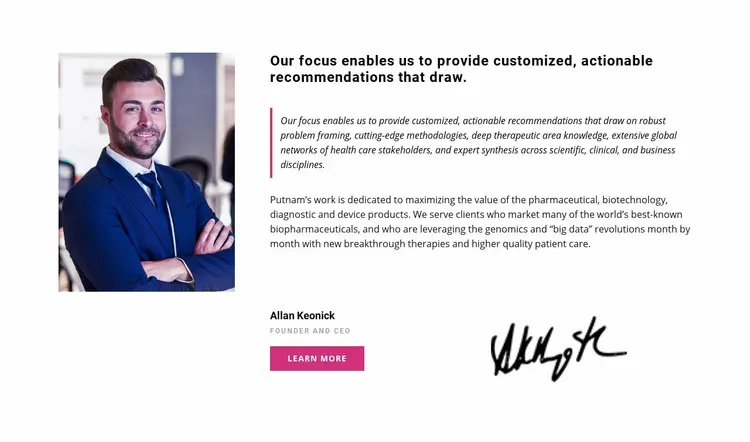
People don’t convert to faceless logos. They convert to people they trust. A founder’s note, short quote, or a headshot-plus-blurb section adds a level of credibility that generic design can’t manufacture.
Even if you’re not a solo founder, showing the human behind the brand matters. For larger teams, a concise mission note from the founder, CEO, or principal creates emotional connection and validates authenticity.
5. Answer “What You Do, Who For, How It Works”
High-converting homepages answer the 3 Ws clearly:
- What is the service or product?
- Who is it designed to help?
- How does it work and what’s the process?
This doesn’t need 500 words. A short, punchy section with a “click to learn more” path is enough. Richard from a small-team agency model nails this by establishing: What they provide, who they serve, and how the collaboration unfolds.
6. Add Selective Social Proof
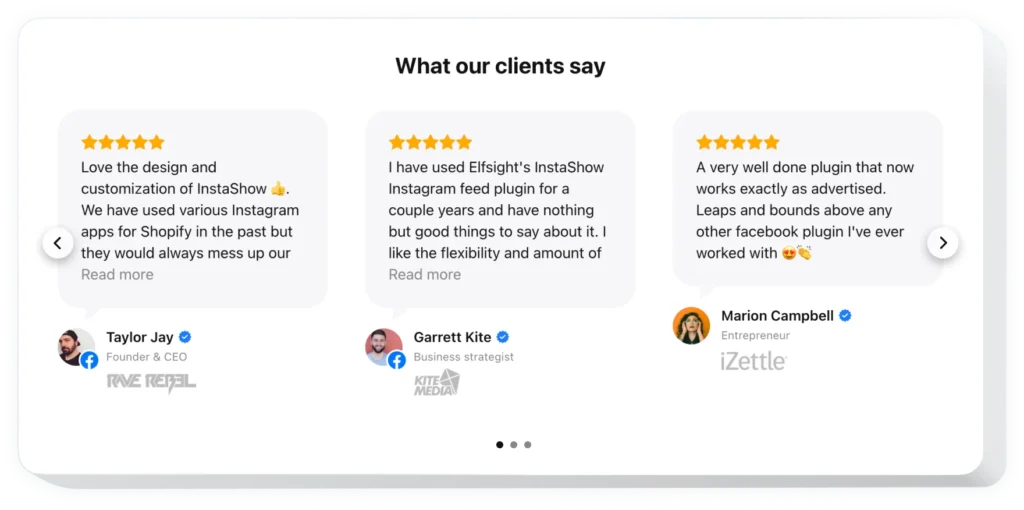
Testimonials belong on the homepage—but not 12 of them. Three high-quality, visually supported testimonials will beat a wall of text every time, and you can A/B test this any time.
The highest-impact format includes:
- 5-star indicators
- Client photo or logo
- Short, italicized snippet or direct quote
- Clear name and role
The key is to tease, not overwhelm. If someone wants the full story, they’ll click a dedicated testimonials page. Your job is to earn just enough trust at the right moment in the user journey.
7. Close Strong With a Footer CTA
If someone scrolls to the bottom, they’re raising their hand. Don’t drop the ball right when interest peaks. Reinforce the primary outcome one more time with urgency, direction, and persuasion.
For service businesses, common footer CTAs include Request a Quote or Start Your Project, supported by a results-based closing headline like:
“Ready for a website that works for you?”
For product companies, a footer CTA often reinforces a free trial or demo, depending on the conversion arc.
A Bonus Strategy That Scales
If you serve multiple buyer types, consider adding a small, segmented funnel or industry-specific tabs in your hero or secondary sections. This doesn’t create new CTAs. Instead, it contextualizes the same CTA for different audiences. It works because it meets customers at their level while preserving one final outcome.
Bottom Line
A homepage that converts is:
- Dead-simple to navigate
- Built around one outcome
- Assertive in direction
- Credibility-rich
- Results-focused above ego
- Trust-layered without excess
- Intentionally closed, not fizzled
If you’re revisiting your homepage or designing one from scratch, test these pillars before anything else. They’re not trendy, but they’re reliable—and reliability is the home of conversion.
If you want help auditing or architecting a precision-built homepage, book a discovery call with our team at Wavesy. We’ll map the strategy, uncover gaps, and build a plan that converts.

