
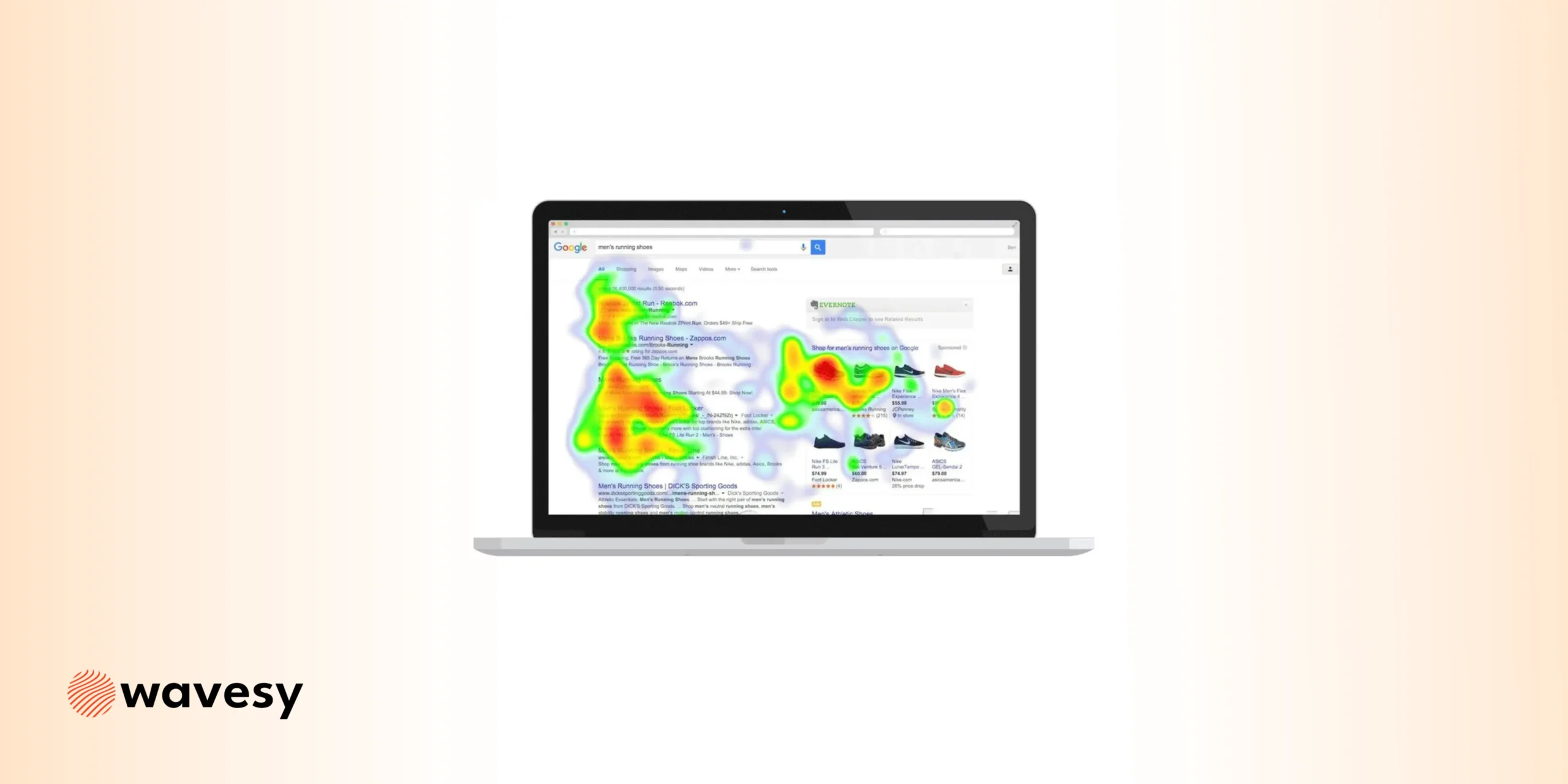
Experienced CROs know that the smartest decisions are never based on assumptions. They are based on real data and actual user behavior. Using heatmaps for CRO and A/B testing helps improve landing page performance.
Individually, each tool is effective. When used together, they provide a much clearer picture of what is working, what is not, and why.
Recently, we ran a CRO test for a client to better understand how users were interacting with their landing pages. The goal was simple: make smarter, performance-driven decisions based on real behavior instead of guesswork.
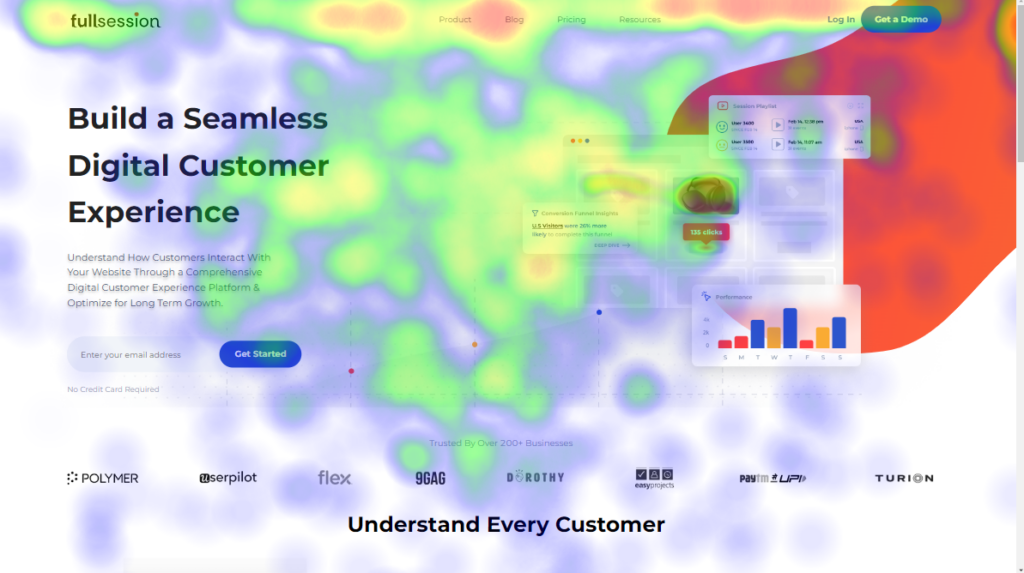
A/B Testing Shows What Wins. Heatmaps Show Why
A/B testing tells you which version of a page converts better. It answers the “what.”
Heatmaps answer the “why.”
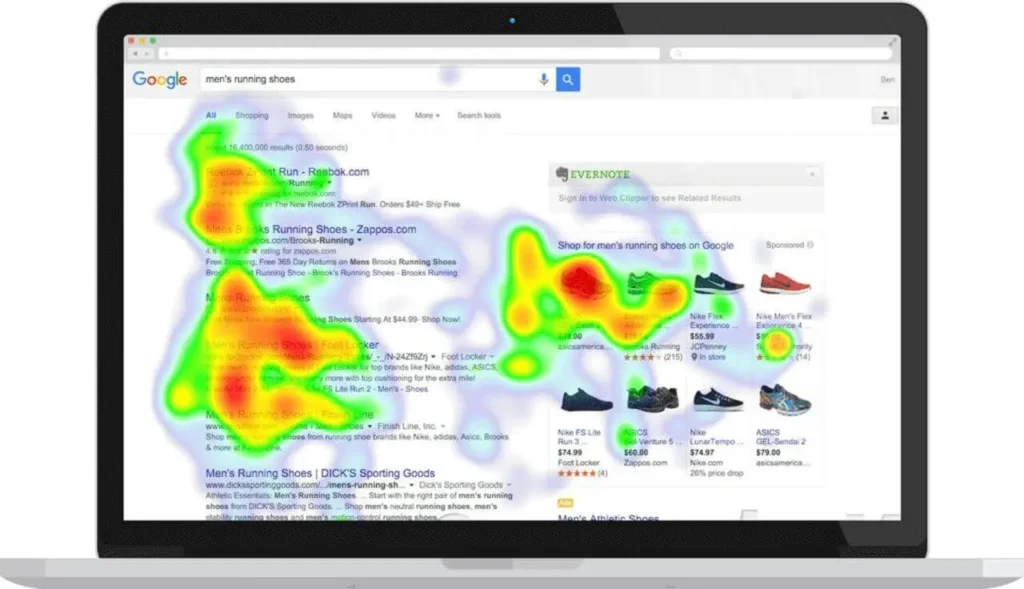
Heatmaps show where users click, how far they scroll, where they hesitate, and where they drop off entirely. This context is critical because numbers alone do not explain user frustration or confusion.
For example, if an A/B test shows that a new page performs worse than an old one, heatmaps can reveal the underlying issue. In our case, users were clicking on elements that looked clickable but were not interactive. These are known as dead clicks, and they kill momentum.
Dead Clicks Hurt Conversions Fast
During our test, we compared a new landing page design against an existing version. Heatmaps quickly revealed that users were clicking on images that appeared tappable but did nothing.
This created confusion and a poor user experience.
One of the fastest CRO wins is simple. If something looks clickable, it must be clickable. When visuals and functionality align, users move forward with confidence instead of frustration.
Scroll Depth Tells You What Actually Matters
Heatmap data also showed strong engagement around the product sections of the page, followed by a steep drop-off further down.
This tells us users were finding what they needed early and ignoring the rest.
The takeaway is clear. Your most important content must appear above the fold. Key value points, CTAs, and product information should be visible without requiring excessive scrolling. Use this prime space to guide users toward conversion and reinforce what matters most.
More Traffic Does Not Guarantee Better Results
Here is where the data became especially interesting.
The new landing page generated significantly more impressions, with a potential visibility increase between 4 percent and 29 percent. This was likely driven by improved ad relevance and higher quality scores in paid campaigns.
However, despite the increase in traffic, the page converted worse than the original.
The original page received fewer visits but produced better results. One version brought in more people, while the other guided them more effectively.
This is a common mistake in digital marketing. Chasing traffic without optimizing experience leads to wasted ad spend.
The Right CRO Fix Is Refinement, Not Guessing
Our recommendation was not to start over. It was to combine what worked best from both versions.
We advised keeping the high-performing layout and imagery from the new page while retaining the intuitive, product-focused structure of the original. We also addressed dead clicks, simplified the layout, and reduced load times, especially for mobile users.
This is what real CRO looks like. It is not about launching a perfect page. It is about testing, learning, refining, and improving continuously.

Trust The Process
Conversion rate optimization should never be treated as a one-time project.
If you are investing in paid media and relying on landing pages to drive leads or sales, CRO must be part of your ongoing strategy. Every test provides insights that can improve performance across channels.
How to Start Using Heatmaps and A/B Testing
Start by using heatmaps to understand user behavior. Identify where users hesitate, where they stop scrolling, and where frustration appears.
Run A/B tests with intention. Do not limit tests to button colors. Test layouts, messaging, hierarchy, and CTA placement.
Measure more than traffic. Look at bounce rates, dwell time, and engagement depth. Traffic without engagement is meaningless.
Think like a user. If something looks clickable, it must work. Remove unnecessary clutter and make the path to conversion simple and clear.
Turning Clicks Into Conversions
When heatmaps and A/B testing are used together, CRO becomes purposeful instead of reactive.
By combining data, design, and strategy, you can create landing pages that do more than attract visitors. They convert them.
If you are ready to improve landing page performance and turn clicks into real results, our team is here to help.

